Picture this: You’ve invested thousands in generating awareness. Your content is getting views. People are clicking. But somewhere between “interested” and “ready to buy,” prospects vanish. These sales funnel leaks aren’t just costing you conversions, they’re hemorrhaging authority and revenue.
The culprit behind these sales funnel leaks? You’re talking about features on the first date.
The Authority Crisis: Why B2B Sales Funnel Leaks Are Epidemic
According to research on sales and marketing alignment, companies with aligned messaging see 208% more revenue from their marketing efforts. Yet 90% of sales and marketing professionals report misalignment across strategy, process, content, and culture.
The result? Confused prospects, eroded trust, and sales funnel leaks that feel more like a leaky bucket than a conversion engine.
When your messaging doesn’t match the stage your prospect is in, you’re not just wasting content, you’re actively damaging your credibility. A prospect researching solutions doesn’t want to hear about implementation timelines. Someone ready to buy doesn’t need another “what is X” explainer.
This misalignment creates what I call “authority leaks” – moments where prospects lose confidence in your ability to understand their needs. These sales funnel leaks compound at every stage, silently bleeding your pipeline.
Sales Funnel Leaks: Why Your Funnel Is Bleeding Prospects (And Where)
The “Features Too Soon” Leak
The most common sales funnel leak happens when companies jump straight to product features before establishing why the prospect should care. It’s the equivalent of proposing marriage on a first date—technically, you’ve made your intentions clear, but you’ve completely misread the relationship stage.
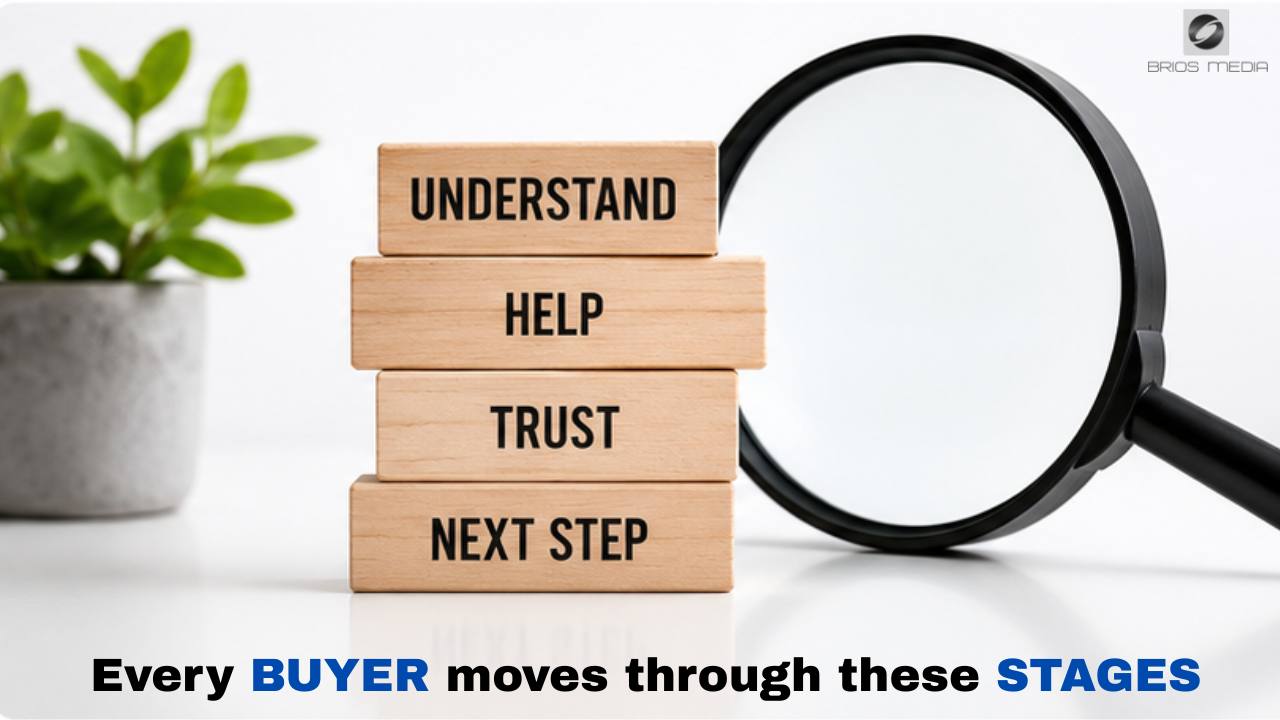
Early-stage prospects are asking: “Do you understand my problem?” Mid-stage prospects want to know: “Can I trust you to solve it?” Only bottom-of-funnel prospects care about: “How exactly will you solve it?”
When marketing promises features that sales can’t deliver, or when the language shifts dramatically between touchpoints, prospects feel the disconnect immediately. This inconsistency doesn’t just confuse, it actively pushes people away.
The Wrong Content at the Wrong Time
Research shows that 60-70% of all B2B marketing content created is never used by sales teams. Why? Because it doesn’t match where prospects actually are in their journey.
Your awareness-stage prospects don’t need detailed pricing comparisons. Your decision-stage prospects don’t want general industry trend pieces. When you serve the wrong content at the wrong time, you signal that you don’t actually understand the buyer’s journey and if you don’t understand that, how can you be trusted to understand their business?
Misaligned Sales and Marketing Language
Here’s where authority really starts to leak: when marketing’s message and sales’ pitch sound like they’re coming from two different companies.
Marketing talks about transformation and innovation. Sales leads with ROI and features. The prospect, caught in the middle, starts to wonder if anyone at your company actually talks to each other and more importantly, whether they’ll talk to the prospect as a customer.
According to SiriusDecisions, companies with strong sales and marketing alignment achieve 24% faster growth and 27% higher profitability over three years. The flip side? Misaligned teams face declining revenue and missed opportunities.
The Three Critical Stages Where Sales Funnel Leaks Happen
Awareness: Plugging Early-Stage Sales Funnel Leaks
At the awareness stage, prospects are problem-aware but solution-unaware. They’re researching, exploring, trying to understand their options. This is where many sales funnel leaks begin.
What leaks authority: Product-focused content, aggressive calls to action, sales-heavy language, feature comparisons
What builds authority: Educational content that demonstrates deep understanding of their industry and challenges, thought leadership that offers genuine insights, content that asks for nothing in return except attention, and clear, jargon-free explanations of complex topics
The goal here isn’t conversion, it’s trust. As research on B2B sales funnels notes, trying to push for a sale right from the awareness stage can overwhelm and deter potential customers.
Consideration: Demonstrate Understanding
By the consideration stage, prospects know they have a problem and are evaluating potential solutions. They’re comparing options, building business cases, and involving stakeholders.
What leaks authority: Generic content that could apply to anyone, focusing on your features before understanding their context, rushing to the demo or sales call, and ignoring their specific use case or industry
What builds authority: Case studies from similar companies or industries, content that acknowledges trade-offs and considerations, proof that you understand the nuances of their situation, educational content about how to evaluate solutions in this space, and frameworks for making the decision they’re facing
According to research on funnel optimization, prospects often stall when they encounter weak nurturing strategies and generic content. This is where personalized, stage-appropriate messaging makes the difference between advancement and abandonment.
Decision: Remove Friction, Reinforce Confidence
At the decision stage, prospects are ready to choose. They’re comparing final options, addressing internal objections, and looking for reasons to feel confident.
What leaks authority: Complicated purchasing processes, unclear pricing or terms, lack of specific answers to specific questions, and content that’s still too general or high-level
What builds authority: Detailed answers to implementation questions, transparent pricing and ROI data, testimonials and references from similar customers, clear next steps and expectations, and removing any friction from the buying process
Companies with well-optimized funnels can double their conversion rates by reducing friction at this critical stage.
Building Your Messaging Map
A messaging map isn’t just another content calendar. It’s a strategic framework that ensures every piece of content, every sales touchpoint, and every marketing message aligns with where prospects are in their journey.
Step 1: Audit Your Current Funnel
Start by tracking where prospects drop off. Look at your data:
- Where do most prospects enter your funnel?
- Which stage has the biggest drop-off?
- What content are prospects consuming at each stage?
- Where do sales and marketing messages diverge?
Companies that regularly analyze funnel metrics—including stage-to-stage conversions and lead quality—can identify and fix problems before they compound.
Step 2: Map Content to Buyer Questions
For each stage, identify the core questions prospects are asking:
Awareness:
- What problem am I actually facing?
- Is this a priority worth addressing?
- What are other companies doing about this?
Consideration:
- What types of solutions exist?
- What should I be evaluating?
- How do I build a business case?
Decision:
- Why this vendor over others?
- What will implementation actually look like?
- How do I minimize risk?
Create content that directly answers these questions without jumping ahead.
Step 3: Align Language Across Teams
This is where most companies fail. Marketing and sales must use consistent terminology and buyer personas to ensure that messaging doesn’t shift dramatically as leads move through the funnel.
Create shared messaging guidelines that include:
- Key value propositions for each stage
- Language to use (and avoid) at each point
- Transition points where messaging should evolve
- Common objections and how to address them
According to experts, developing consistent terminology helps align marketing content with sales outreach so that leads aren’t jolted by messaging that seems off-brand or disconnected.
Step 4: Create Stage-Specific Sequences
Rather than one-size-fits-all nurture campaigns, develop sequences tailored to each stage. Advanced teams place prospects into personalized sequences based on persona, content engagement, and inferred pain points.
For example:
- An awareness-stage prospect who downloaded a trend report needs educational follow-up, not a demo invitation
- A consideration-stage prospect who viewed pricing should get case studies, not more product overviews
- A decision-stage prospect who requested a demo needs implementation details, not industry stats
Practical Implementation: Your 30-Day Plan to Fix Sales Funnel Leaks
Week 1: Diagnose Your Biggest Sales Funnel Leaks
Conduct a funnel audit. Identify your biggest drop-off points and gather input from both sales and marketing teams about where messaging feels misaligned and prospects are leaking out.
Set up a shared definition of what qualifies as awareness-stage, consideration-stage, and decision-stage leads. Document it. Make it visible to both teams.
Week 2: Align
Host a joint session with sales and marketing to review the current messaging at each funnel stage. This cross-functional alignment is essential; marketers need to understand the sales process, and sales needs to understand marketing’s lead generation approach.
Create your messaging map with input from both teams. Define the language, content types, and calls-to-action appropriate for each stage.
Week 3: Create
Develop or repurpose content to fill gaps in your messaging map. Don’t create from scratch if you don’t have to—often existing content can be repositioned for the right stage.
Build your stage-specific sequences and nurture paths. Use your CRM and marketing automation tools to create unified buyer data that both teams can access.
Week 4: Launch and Monitor
Roll out your aligned messaging approach. Start tracking stage-specific conversion rates and gather feedback from both teams about what’s working.
Establish regular debriefs where sales and marketing share updates, challenges, and successes. Create collaborative tools to track lead performance across the funnel.
Measuring Success: Tracking Your Funnel Leak Reduction
Yes, conversion rates matter. But stopping sales funnel leaks isn’t just about numbers, it’s about how prospects experience your brand throughout their journey.
Track these funnel leak indicators:
- Message consistency scores: How aligned is the language prospects encounter across touchpoints?
- Stage progression velocity: How quickly do aligned prospects move through the funnel compared to misaligned ones?
- Sales confidence in leads: Do sales teams trust the quality of marketing-qualified leads?
- Content utilization rates: Is sales actually using the content marketing creates?
- Win/loss feedback: What do prospects cite as decision factors?
Companies that focus on these deeper metrics rather than just top-of-funnel lead volume create more sustainable, predictable growth.
The Bottom Line: Stopping Sales Funnel Leaks for Good
Your funnel doesn’t have a traffic problem. It has sales funnel leaks caused by misaligned messaging.
Every time you deliver the wrong message at the wrong stage, you’re not just missing an opportunity, you’re actively undermining trust. You’re signaling that you don’t understand where prospects are or what they need. And if you can’t understand that, why should they trust you with their business?
The solution isn’t more content. It’s strategic alignment. It’s a clear messaging map that guides prospects from awareness to decision with content that demonstrates understanding at every stage and stops the leaks before they happen.
Research is clear: a well-defined sales funnel can double your conversion rate. But that only happens when sales and marketing work together to deliver the right message, to the right person, at the right time, eliminating the sales funnel leaks that cost you revenue.
Stop talking about features on the first date. Start building authority by meeting prospects where they are and sealing the leaks in your funnel.
Your funnel will thank you. So will your revenue.